
Chidimma Uchegbu – Abuja.
The Federal Ministry of Livestock Development has described the trilateral partnership between Brazil, Nigeria, and the United Kingdom (UK) as a strategic initiative aimed at enhancing livestock productivity in Nigeria to achieve food sufficiency, job creation, and economic growth.
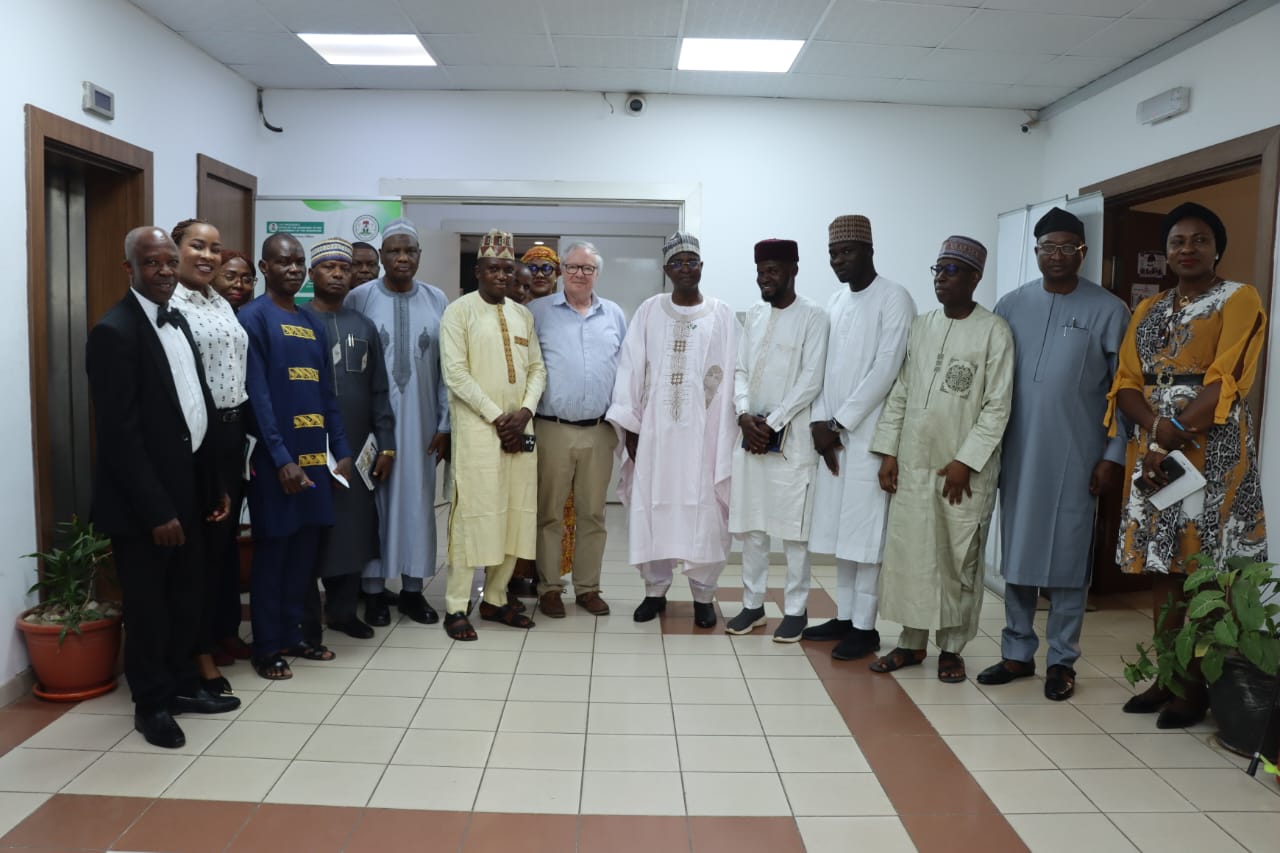
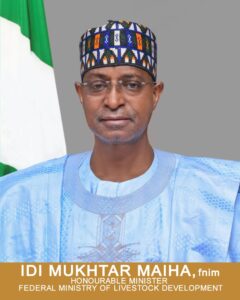
Minister of Livestock Development, Idi Mukhtar Maiha, made this known during a courtesy visit by representatives of the UK–Brazil–Nigeria Trilateral Initiative for Climate-Smart Cattle Systems (Livestock 247) in Abuja.
Minister Maiha explained that the initiative focuses on improving livestock productivity through enhanced animal welfare, strengthened climate resilience, and the integration of emerging digital market technologies, including advanced Artificial Intelligence (AI) and data-driven decision support systems.
According to him, the project seeks to identify and assess near-market digital livestock innovations such as smart collars, sensor systems, environmental monitoring tools, and digital test records. It also aims to strengthen digital surveillance and precision animal health systems using data-enabled approaches.
“Nigeria intends to leverage international best practices and adapt proven systems, similar to those in Europe, while prioritizing technological advancement and collaboration to transform the domestic livestock industry,” the Minister stated.
Speaking on behalf of the delegation, Epidemiologist Professor Alex Cook noted that digital technologies have transformed modern life in ways unimaginable just two decades ago, and these same technologies are now available to revolutionize the livestock sector.
He explained that digital monitoring devices attached to animals, remote video surveillance systems, and environmental sensors can generate detailed real-time data beyond what is possible through traditional observation.
This was contained in the statement signed by the Assistant Chief Executive officer ( Information), Ogochukwu Igboamalu.
“If we integrate this information into a shared data platform and apply machine learning and artificial intelligence, we can generate rapid, innovative insights to improve feeding systems, enhance productivity, build resilience, increase profitability, and ultimately reduce greenhouse gas emissions from agricultural activities,” Cook said.
Professor Cook further highlighted Brazil’s success in transforming its livestock production system over the past 30 to 40 years, significantly contributing to its national economy. He noted that certain climatic and ecosystem similarities between Brazil and parts of Nigeria provide valuable opportunities for knowledge exchange and collaboration.
While acknowledging that the UK’s livestock systems differ from Nigeria’s, Cook emphasized that the UK brings strong expertise in data analytics, machine learning, and artificial intelligence to support the initiative.
He expressed optimism that the combined strengths of the three nations would drive meaningful improvements in Nigeria’s livestock sector.
Participants at the meeting includes Directors, Heads of Departments, and the Special Assistant to the Honourable Minister.



Join the Conversation