
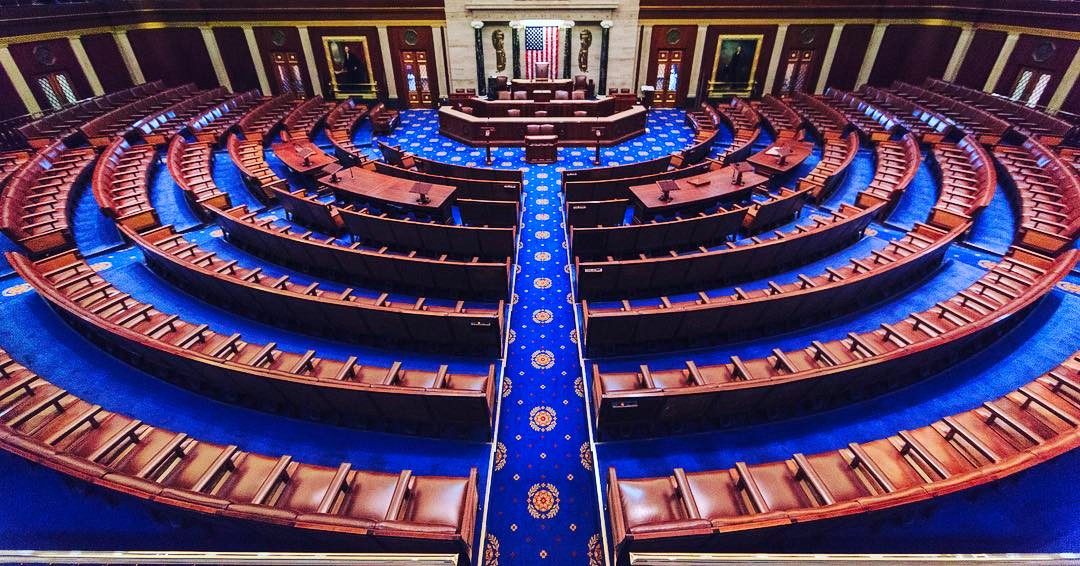
Summary of Nigeria Religious Freedom and Accountability Act of 2026
Introduction
The “Nigeria Religious Freedom and Accountability Act of 2026,” introduced by Mr. Smith of New Jersey and co-sponsored by other members of Congress, highlights the urgent need for the United States to address systemic religious persecution and mass atrocities in Nigeria. This report outlines the key issues, findings, and proposed actions to combat these challenges.
Key Issues
- Systemic Religious Persecution
- Since 2009, extremist groups such as Boko Haram, Islamic State West Africa Province (ISWAP), and Fulani militant groups have perpetrated mass murders, kidnappings, rapes, village destruction, and forced displacement in Nigeria.
- Between 2009 and 2025, an estimated 50,000 to 125,000 Christians have been martyred, and over 19,000 churches have been attacked or destroyed.
- Fulani Militia Violence
- Fulani-ethnic militias have carried out organized attacks, including massacres, hostage-taking, and forced displacement, meeting the statutory definition of terrorist activity under U.S. law.
- Between May 2023 and May 2025, these militias killed over 9,500 people, mostly Christians, and displaced more than half a million individuals in Benue and Plateau States.
- Blasphemy Laws and Religious Intolerance
- Nigeria enforces blasphemy laws in 12 northern states under Sharia law, which have been used to target Christians, Muslims, and dissenters.
- Victims such as Rhoda Jatau and Deborah Yakubu have faced mob violence, imprisonment, or death for alleged blasphemy, while perpetrators often go unpunished.
- Government Inaction and Denial
- The Nigerian Government has failed to adequately respond to religiously motivated violence, often denying its religious nature and tolerating impunity for extremist actors.
- Investigations into violent attacks have rarely led to prosecutions or convictions of jihadists.
- Humanitarian Crisis
- Nigeria accounts for 72% of all Christians martyred worldwide, with 3.5 to 5 million internally displaced persons and over 343,000 refugees in the Lake Chad region.
Findings
- The United States Commission on International Religious Freedom (USCIRF) has recommended Nigeria’s designation as a Country of Particular Concern (CPC) annually since 2009.
- The removal of Nigeria from the CPC list in 2021 coincided with an escalation in religious violence.
- Designating Nigeria as a CPC enhances diplomatic tools, including sanctions, to pressure the Nigerian Government to halt religious persecution and protect vulnerable communities.
Proposed Actions
- Diplomatic and Humanitarian Measures
- The United States should use diplomatic, economic, and security tools to pressure Nigeria to end impunity for perpetrators, protect religious minorities, and repeal blasphemy laws.
- Humanitarian assistance should be delivered through trusted civil society organizations, including faith-based groups, to support displaced Christians in Nigeria’s middle belt states.
- Sanctions and Accountability
- The Department of State and Treasury should impose targeted sanctions under the Global Magnitsky Human Rights Accountability Act on individuals and entities responsible for severe religious freedom violations, including Fulani militias and associated groups.
- Security Cooperation
- The United States should provide technical support to Nigeria to reduce violence from armed militias, including disarmament programs and counter-terrorism cooperation.
- Investigations should be conducted into domestic and foreign networks supporting Fulani militias.
- International Collaboration
- The United States should work with international partners, including France, Hungary, and the United Kingdom, to promote religious freedom and peace in Nigeria.
- Reporting and Oversight
- The Secretary of State is required to submit annual reports to Congress assessing Nigeria’s compliance with the International Religious Freedom Act, including actions taken to prevent persecution, prosecute perpetrators, and protect vulnerable communities.
Conclusion
The United States stands in solidarity with Christians and all persecuted religious minorities in Nigeria, advocating for their right to practice their faith without fear of violence or persecution. The future of U.S.-Nigeria relations depends on the Nigerian Government’s commitment to addressing these atrocities and ensuring religious freedom for all.

Join the Conversation